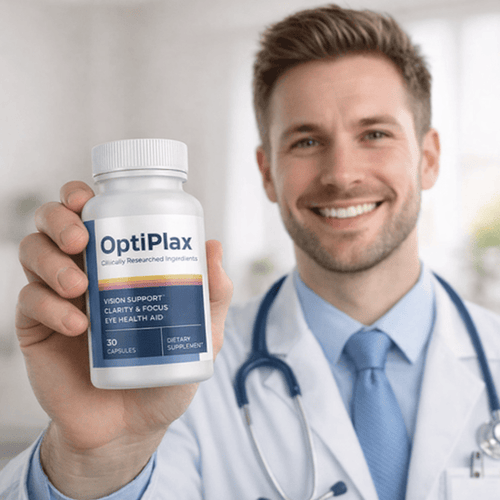
Ophthalmology, Its Challenges, and a Holistic Approach to Eye Health
Ophthalmology is the medical specialty focused on diagnosing, treating, and managing eye and vision conditions. Ophthalmologists play a critical role in eye exams, vision correction, medical eye treatments, and surgical eye care. From digital eye strain to age-related vision changes, professional ophthalmic care helps protect long-term ocular health and visual clarity.
Despite its importance, modern ophthalmology also has limitations. Many eye treatments are designed to manage symptoms rather than restore complete eye health. Chronic eye conditions often require long-term monitoring, repeated clinic visits, or ongoing use of prescription eye drops and medications.
Some ophthalmic treatments may be associated with side effects such as eye dryness, irritation, burning sensations, redness, or sensitivity to light. In certain cases, prolonged use of medications or invasive procedures may affect overall eye comfort and tear film balance.
Another challenge is cost. Advanced diagnostic tests, surgical procedures, and prescription eye medications can be expensive, making comprehensive ophthalmology care less accessible for many individuals. This has led people to explore supportive approaches that promote everyday eye wellness.
To support complete eye health naturally, many individuals complement ophthalmic care with natural eye health supplements. Nutrients such as vitamins, antioxidants, omega fatty acids, and plant-based compounds are commonly used to support vision health, ocular surface comfort, and overall eye function. When combined with healthy lifestyle habits and regular eye exams, nutritional support may help maintain clear, comfortable eyes over time.

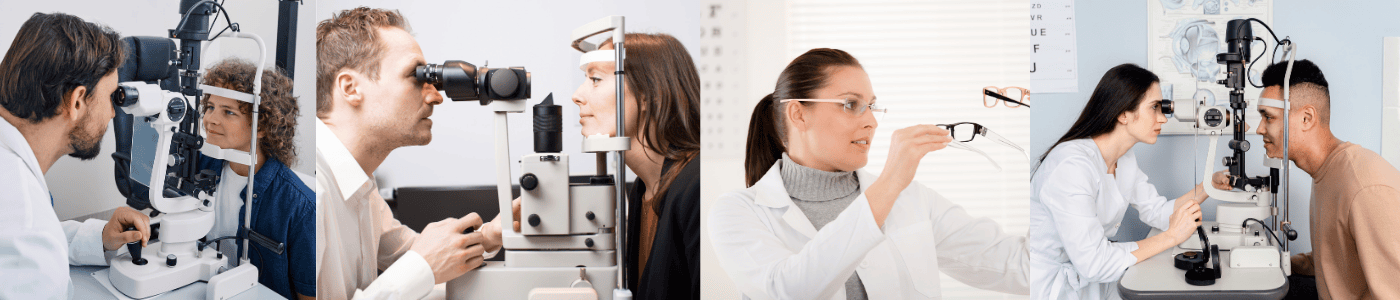
Why Ophthalmic Medications Alone Are Not Enough for Complete Eye Care
Ophthalmology focuses on diagnosing and treating eye conditions to protect vision and maintain overall eye health. Prescription eye drops, ointments, and medical therapies are commonly used to relieve symptoms such as eye irritation, redness, dryness, and discomfort. While these treatments are essential in many cases, they often focus on symptom control rather than total eye wellness.
Many ophthalmic medications provide short-term relief but do not correct the underlying factors affecting eye health. Issues such as tear film imbalance, blocked oil glands, environmental exposure, prolonged screen use, and lifestyle-related eye strain may continue to impact vision and comfort even with ongoing treatment.
- ✔ Helps reduce eye redness, irritation, and discomfort
- ✔ Supports symptom control for common eye conditions
- ✔ Plays an important role in medical eye treatment
- ✔ Often offers temporary relief rather than long-term eye support
- ✔ Does not fully address lifestyle or nutritional eye health factors
For long-term eye comfort and visual clarity, ophthalmologists increasingly recommend a comprehensive approach to eye care. This may include proper eye hygiene, regular eye examinations, protective eyewear, balanced nutrition, and supportive eye health supplements. When combined with medical care, these strategies help promote stronger ocular defenses, improved eye comfort, and better overall vision health.
Why Expensive Eye Treatments Alone Don't Guarantee Long-Term Eye Health

Modern Ophthalmology offers advanced diagnostic tools, prescription eye medications, and clinical treatments to manage a wide range of eye conditions. Many patients rely on eye drops, ointments, and in-office procedures to reduce eye irritation, dryness, redness, and visual discomfort.
While these treatments are often effective in the short term, they can be costly and may require repeated visits or long-term use. In many cases, medical eye treatments focus on symptom control rather than improving overall ocular health or preventing future issues.
Persistent eye discomfort is frequently linked to factors such as tear film imbalance, blocked oil glands, digital eye strain, environmental exposure, and nutritional gaps. Even advanced ophthalmic treatments may not fully address these contributing causes, which can limit long-term results.
A more complete approach to eye care includes professional ophthalmology support combined with daily eye hygiene, protective habits, and nutritional eye support. Natural eye care routines and targeted eye health supplements can help support visual performance, eye comfort, and overall ocular wellness while reducing dependence on repeated expensive treatments.
How a Natural Eye Care Approach Supports Long-Term Eye Comfort

Gently Cleanse and Restore the Eyelids
A natural eye care routine begins with gentle eyelid cleansing. Removing dirt, excess oil, and environmental buildup helps maintain clean eyelids and supports overall eye hygiene. Plant-based cleansers and nourishing ingredients help protect delicate eyelid skin and promote healthy eye tissues.

Calm Irritation and Reduce Inflammation
Everyday factors such as screen exposure, pollution, and dry environments can lead to eye irritation and inflammation. Natural methods like warm compresses, soothing botanicals, and relaxation techniques help reduce redness, burning sensations, and eye discomfort naturally.
Support Natural Moisture and Tear Balance
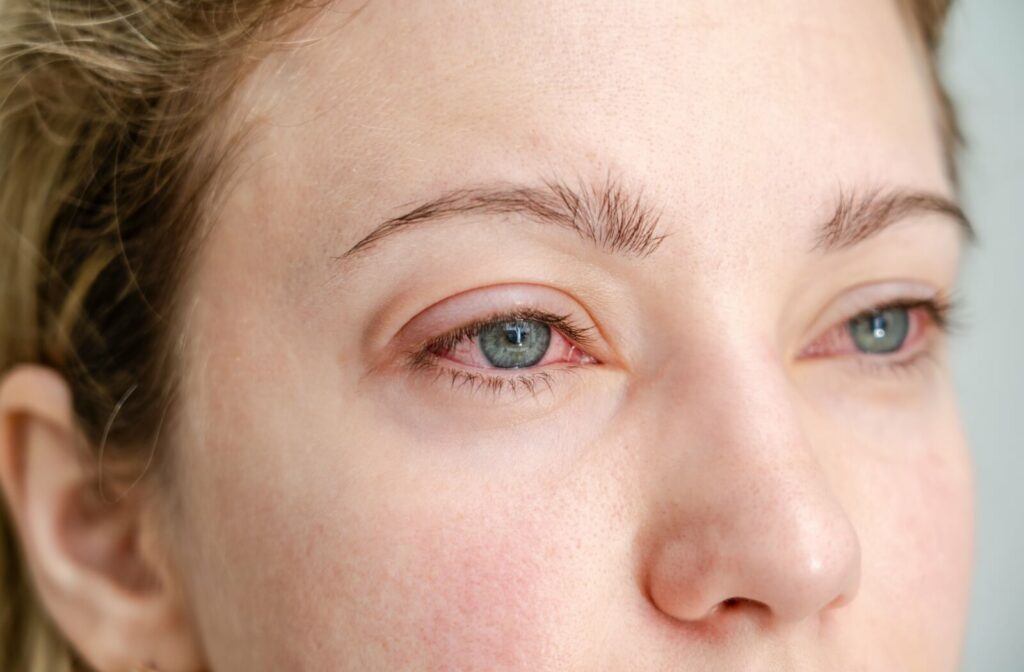
Healthy tear production is essential for eye comfort and clear vision. Natural eyelid care, gentle massage, and nutritional support help maintain moisture balance, support oil gland function, and reduce dryness without harsh chemicals.

Promote Long-Term Eye Wellness
Unlike temporary solutions, a holistic eye care approach focuses on long-term wellness. Consistent natural care, healthy lifestyle habits, and proper nutrition help strengthen the eyes' natural defenses, improve comfort, and support lasting eye health.
Top Benefits of Natural Supplements for Optimal Eye Health
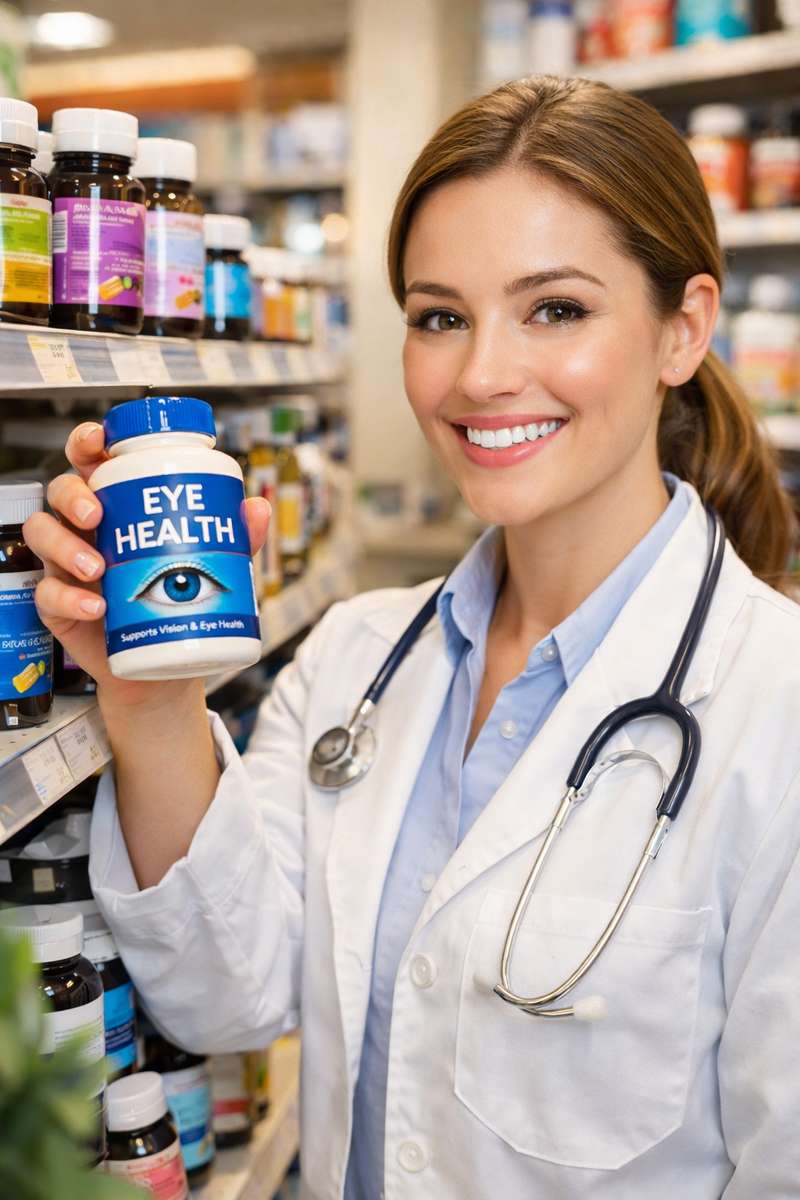
Maintaining healthy eyes goes beyond routine checkups. Natural supplements offer a safe, effective way to support vision, reduce inflammation, and protect the eyes from oxidative stress. Key nutrients like lutein, zeaxanthin, omega-3 fatty acids, vitamin A, vitamin C, and zinc are proven to strengthen eye tissues, improve tear quality, and support long-term visual clarity.
- Supports Vision Health: Essential nutrients help maintain sharp vision and reduce age-related decline.
- Protects Against Oxidative Stress: Antioxidants like lutein and zeaxanthin shield eyes from free radical damage.
- Reduces Eye Fatigue: Omega-3s and vitamin A promote tear production and relieve dryness or irritation.
- Improves Eye Comfort: Nutrient-rich supplements help prevent inflammation and eye strain from digital devices or environmental stressors.
- Long-Term Eye Wellness: Daily supplementation supports overall eye health and prevents future vision issues.
- Natural & Safe: Supplements provide a non-invasive, gentle approach to maintaining optimal eye function.
Combining a nutrient-rich diet with targeted eye supplements can enhance your natural eye defenses, maintain clear vision, and support long-term ocular wellness. Prioritize natural solutions for stronger, healthier eyes without relying solely on medications or invasive procedures.
Support Long-Term Eye Health Naturally with Supplements
Maintaining healthy eyes requires more than temporary fixes. Natural eye supplements provide essential nutrients like lutein, zeaxanthin, omega-3 fatty acids, vitamins A, C, E, and zinc to support vision, reduce oxidative stress, and promote overall ocular wellness from within.
Daily supplementation helps protect against eye strain, improve tear production, and support retinal and macular health. By addressing underlying nutritional gaps, these natural supplements help prevent age-related vision decline, reduce inflammation, and enhance long-term eye comfort.
Formulated with safe, high-quality ingredients, natural eye supplements offer a gentle yet effective approach to maintaining optimal vision and eye health. Consistent use strengthens the eyes' natural defenses, promotes clearer vision, and supports long-term ocular wellness making supplementation an essential part of a complete eye care routine.
Frequently Asked Questions About Ophthalmology and Eye Health
Early symptoms include red or swollen eyelids, itching, burning, watery eyes, crusting along the lash line, and sensitivity to light. Regular ophthalmology checkups can detect problems early and prevent long-term complications.
Ophthalmologists use a combination of prescription eye drops, ointments, anti-inflammatory medications, and professional procedures to relieve redness, irritation, and dryness. Treatments are tailored to address underlying causes such as blocked glands, bacterial imbalance, or chronic inflammation.
Yes. Poor eyelid hygiene, prolonged screen use, exposure to dry environments, stress, and inadequate nutrition can worsen eye conditions. Maintaining healthy habits, balanced nutrition, and proper eyelid care supports overall ocular wellness.
Key nutrients for eye health include omega-3 fatty acids, lutein, zeaxanthin, vitamins A, C, E, and zinc. These support tear production, reduce inflammation, protect the retina, and maintain proper eyelid gland function.
Medications and eye drops can provide temporary relief from redness, irritation, and dryness, but they do not address long-term causes. Comprehensive ophthalmology care combined with proper eyelid hygiene and nutrition is necessary for lasting eye health.
Ophthalmology care includes professional evaluation, prescription treatments, and guidance on eyelid hygiene and lifestyle habits. Combined with proper nutrition and eye protection, this approach prevents recurring inflammation, reduces irritation, and supports overall ocular wellness.
Maintaining eye health involves regular ophthalmology checkups, proper eyelid hygiene, managing dry eyes, protecting eyes from environmental stressors, and ensuring a nutrient-rich diet. This holistic approach helps prevent recurring eye problems, improves vision clarity, and supports long-term comfort.